Ballerina Design Review
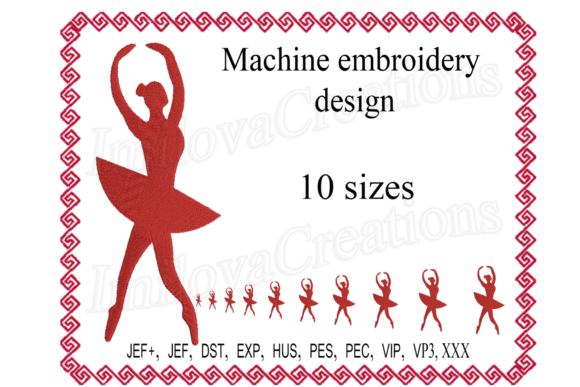
The Ballerina Design is a versatile machine embroidery design that offers a graceful and elegant aesthetic, ideal for small business merch, branded patches, and custom apparel. With a zip file containing multiple formats such as JEF, DST, PES, and more, it provides flexibility for various embroidery machines and applications. This review explores how the Ballerina Design performs in real-world business scenarios, its strengths, limitations, and practical considerations for designers and small business owners.
First Impressions of Ballerina Design
From the first glance, the Ballerina Design exudes a classic and refined visual personality. It feels professional yet playful, making it suitable for businesses aiming to convey a sense of elegance without sacrificing approachability. The design’s soft curves and delicate lines suggest a focus on craftsmanship, which aligns well with handmade products, boutique merchandise, and artisanal branding. Its dance-themed nature also makes it a strong fit for creative studios, cafes, and other lifestyle-oriented businesses.
As an embroidery designer, I immediately recognize the potential of this design for embroidered patches, chest logos, and sleeve details. Its clean lines and balanced composition make it adaptable to different fabric types and sizes, though some adjustments may be necessary depending on the application.
Real Business Use Cases for Ballerina Design
The Ballerina Design excels in a variety of small business merch applications. For example, it can serve as a standout embroidered patch for staff uniforms, aprons, or caps. Its size and detail make it suitable for tote bag designs, where it can act as a subtle but memorable brand identifier. As a chest logo accent, it adds a touch of sophistication to work shirts, jackets, or even customer gifts.
In the realm of custom apparel, the Ballerina Design works well as an apron embroidery element for bakeries, cafes, or craft studios. It can also be used as a cap embroidery design, offering a stylish yet functional addition to headwear. For product packaging accents, it enhances the visual appeal of branded items, reinforcing brand identity and customer recognition.
When used in conjunction with other design assets, the Ballerina Design contributes to a cohesive brand image. It pairs well with minimalist text or complementary graphics, making it a valuable tool for Etsy sellers, handmade brands, and digital embroidery file buyers looking to create visually consistent product lines.
Where to Use Ballerina Design Carefully
While the Ballerina Design is generally versatile, there are specific scenarios where caution is advised. For instance, when using it for small patch sizes, the intricate details may not translate well due to limited space. Similarly, applying it to cap fronts or curved surfaces could lead to distortion if not properly adjusted during digitizing.
High stitch density and detailed outlines may cause issues on textured fabrics or dark uniforms, where visibility and durability become concerns. Tiny lettering, if included, should be tested at scale to ensure readability. Additionally, frequent washing cycles might affect the longevity of the design, especially on items like tote bags or aprons that see daily use.
It’s important to evaluate the Ballerina Design against these challenges before finalizing its use in commercial embroidery projects or client orders.
Impact on Brand Identity and Customer Engagement
The Ballerina Design has the potential to significantly enhance brand identity. Its elegant and artistic nature conveys professionalism and creativity, which can build trust with customers. When used consistently across merchandise, it strengthens visual recognition, helping small businesses stand out in competitive markets.
For handmade products, the design adds a premium feel, elevating the perceived value of the finished product. It also supports buyer engagement by offering a unique and eye-catching element that resonates with target audiences. Whether used on a boutique item, event merch, or printable mockup, the Ballerina Design contributes to a polished and cohesive brand presence.
Practical Tips for Embroidery Designers
Before incorporating the Ballerina Design into any project, it’s wise to test it in black and white to assess contrast and clarity. Check how it looks at small patch sizes to determine if adjustments are needed for scalability. Review thread color options to ensure they complement the fabric and overall design vision.
Inspect spacing and layout to avoid overcrowding, especially when using the design alongside other elements. Confirm the required hoop size to ensure compatibility with your embroidery machine. Test the design on real fabric to gauge how it interacts with different textures and weights.
Use proper stabilizer to prevent puckering or distortion, particularly on delicate or stretchy materials. Create a mockup for client approval to ensure the design meets expectations. Compare it beside other design assets to maintain visual consistency. Finally, confirm commercial licensing terms before using the Ballerina Design in business settings.
Conclusion: A Strong Addition to Your Embroidery Library
The Ballerina Design is a compelling choice for small business owners, embroidery shops, and crafters looking to add a touch of elegance to their merchandise. Its adaptability across various applications, from embroidered patches to tote bag designs, makes it a valuable asset in the world of custom apparel and branded products.
By considering its strengths and limitations, and following best practices for embroidery execution, the Ballerina Design can become a key part of your design assets. Whether you're creating small business merch, apron embroidery, or cap embroidery, this design offers both aesthetic appeal and functional versatility.
For those seeking a machine embroidery design that blends artistry with commercial viability, the Ballerina Design is a worthy addition to your collection.